The Federal Reserve leaves rates alone, but warns they could rise again in December
Kevin Warsh's Fed keeps rates between 3.75% and 4% because inflation is still high. What it means for your loans, your credit card and your savings, six days before the election.
Translated from the original Spanish article. Read in Spanish
News published on October 28, 2026. The situation may have changed since then.
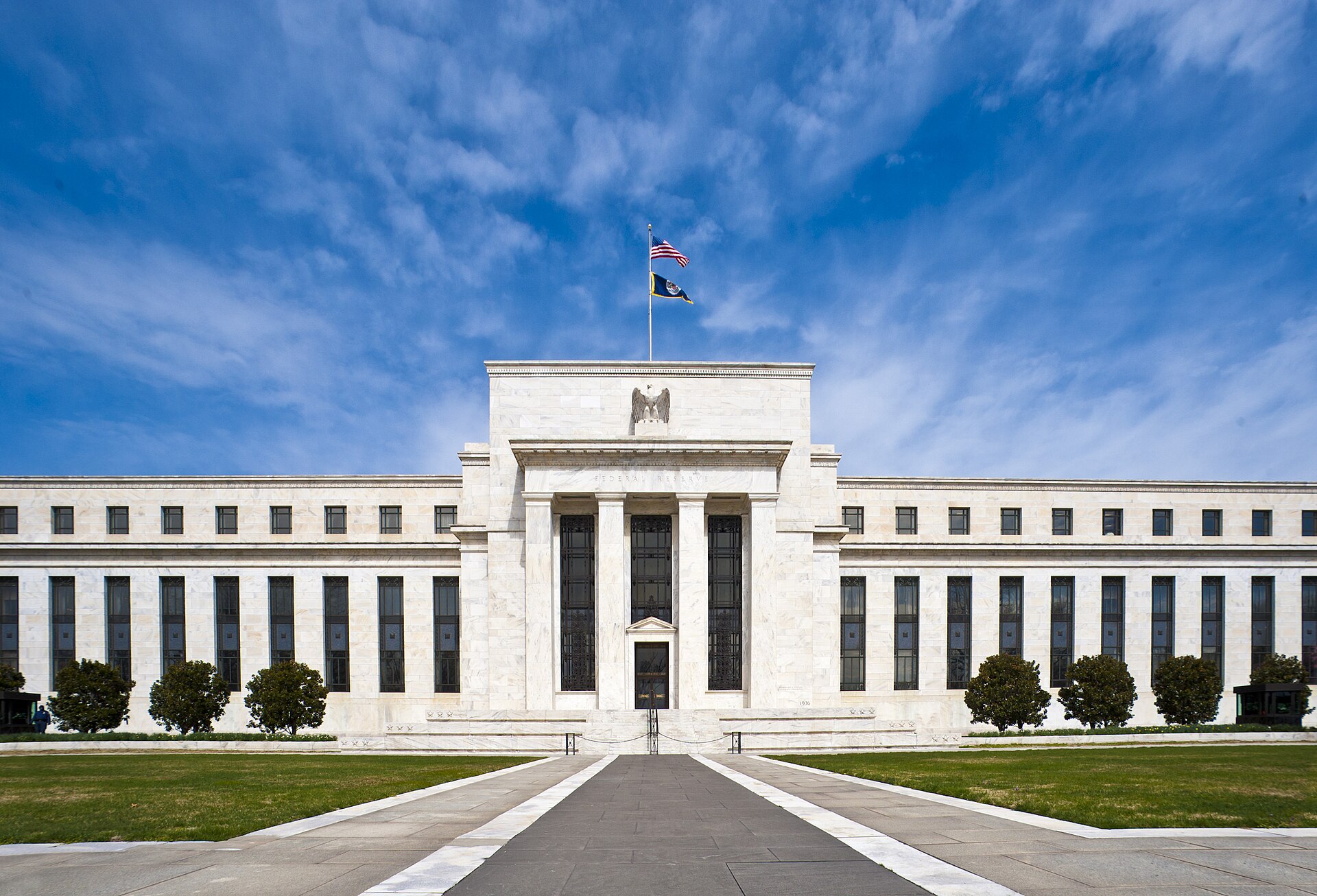
The US Federal Reserve, the country's central bank, decided on Wednesday, October 28, 2026 to leave interest rates where they were: between 3.75% and 4%. But it left a warning: if inflation doesn't come down, they could rise again in December.
Why they're not cutting
Because prices are still rising too fast. Inflation reached 3.7% in September, far from the 2% the Fed considers healthy. Fed Chair Kevin Warsh himself said inflation remains "too high".
In fact, in September the Fed had already raised rates by a quarter point. Now it decided to pause.
The decision passed 10 votes to 2: the two who voted against wanted to raise rates again.
Two wanted to raise them now
The decision wasn't unanimous. Governor Lisa Cook and Cleveland Fed President Beth Hammack voted against because they wanted another quarter-point hike right away.
Markets already see another hike in December as almost certain: in a Reuters poll, all 100 economists surveyed expect it.
What it means for your wallet
When rates are high:
Borrowing costs more: credit cards, car loans and mortgages charge more interest.
Saving pays more: savings accounts and deposits pay a little more.
And if they raise rates in December, all of that will be felt even more in early 2027.
Right before the election
The decision comes six days before the midterm elections on November 3, when Congress is renewed. And inflation is one of voters' biggest concerns.
The Fed also announced that in 2027 it will hold fewer meetings to set rates.
More stories on video
This story is web-only. Every week on our social media we tell the stories behind brands and the news.
Have you noticed this year that everything is more expensive, or that paying off your debts costs more?
Tell us in the comments on our social media.
Sources (in Spanish)
- La decisión y los votos en contra: CNBC y Infobae (28 de octubre de 2026).
- Declaraciones de Warsh y elecciones: Voz.
- Inflación de septiembre y encuesta de Reuters: EBC.
- Efectos en créditos: El Imparcial.
Photos are from Wikimedia Commons under free licenses; the author and license are shown under each image.