Home › News › World › China, Japan and the U.S.
News · WorldThe United States will build missiles in Japan, and China accuses both of threatening peace in Asia
Washington and Tokyo agreed to set up a missile plant for fighter jets in Japan and to produce more SM-3 interceptors. Beijing replied that Japan is overstepping the limits of international law.
Translated from the original Spanish article. Read in Spanish
News published on October 29, 2026. The situation may have changed since then.
The United States and Japan have agreed to build missiles together on Japanese soil. China is not happy about it at all.
The deal
It was sealed by Pentagon chief Pete Hegseth and Japanese Defense Minister Shinjiro Koizumi during the ASEAN defense summit in the Philippines.
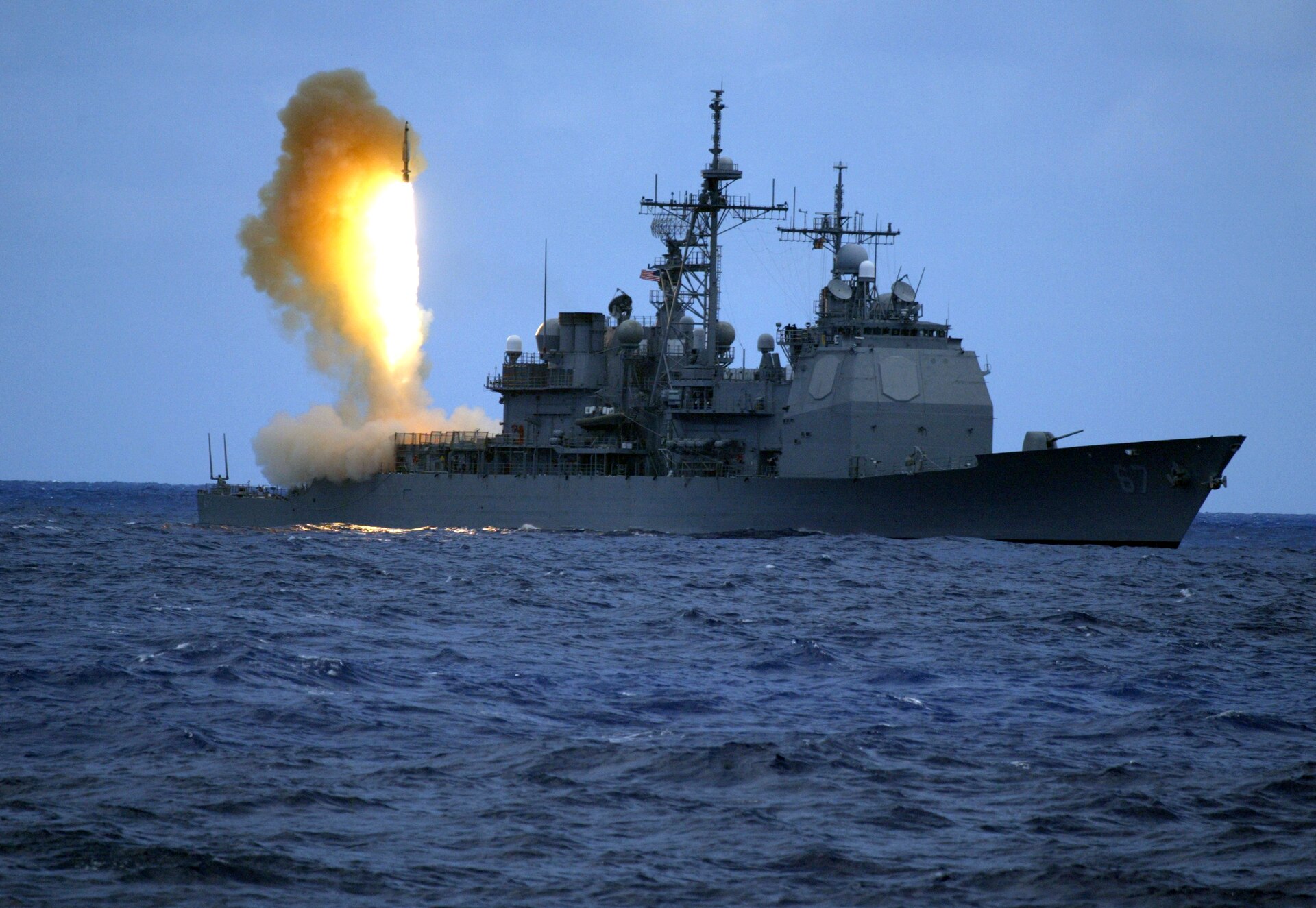
- Japan will host a plant to assemble and test AMRAAM missiles, which fighter jets use to shoot down other aircraft. - The two countries will share information to build more SM-3 missiles, which are used to intercept ballistic missiles.
Why now
According to analysts, the United States has used up a large share of its missiles in the conflict with Iran, especially SM-3 interceptors. Producing in Japan would help it replenish them faster.
The SM-3 is an interceptor missile: its job is to shoot down enemy ballistic missiles in mid-flight.
China's response
Chinese Foreign Ministry spokesman Guo Jiakun said military cooperation must not target third countries or harm their interests.
He was tougher on Japan: he accused it of repeatedly overstepping the limits of international law under the pretext of defending itself, and called on the world to rein it in.
A tense climate
The announcement comes as the Keen Sword exercises wrap up in Japan, with about 45,000 Japanese and 12,000 U.S. troops, focused on defending islands near Taiwan.
Hegseth also proposed a defense cooperation plan to ASEAN. The region's leaders will meet in Manila from November 15 to 17, and Donald Trump is expected to attend.
More stories on video
This story is web-only. Every week on our social media we tell the stories behind brands and the news.
Does Japan have the right to arm itself more, or could this make tensions with China worse?
Tell us in the comments on our social media.
Sources (in Spanish)
- Acuerdo, planta de AMRAAM, contexto de Irán y SM-3, reacción china: Proceso / Europa Press (29 de octubre de 2026).
- Cumbre en Filipinas, declaraciones de Guo Jiakun, plan para la ASEAN y cumbre de Manila: Infobae / EFE (29 de octubre de 2026).
- Maniobras Keen Sword: Infobae / EFE (29 de octubre de 2026).
Photos are from Wikimedia Commons under free licenses; the author and license are shown under each image.