Translated from the original Spanish article. Read in Spanish
News published on October 28, 2026. The situation may have changed since then.
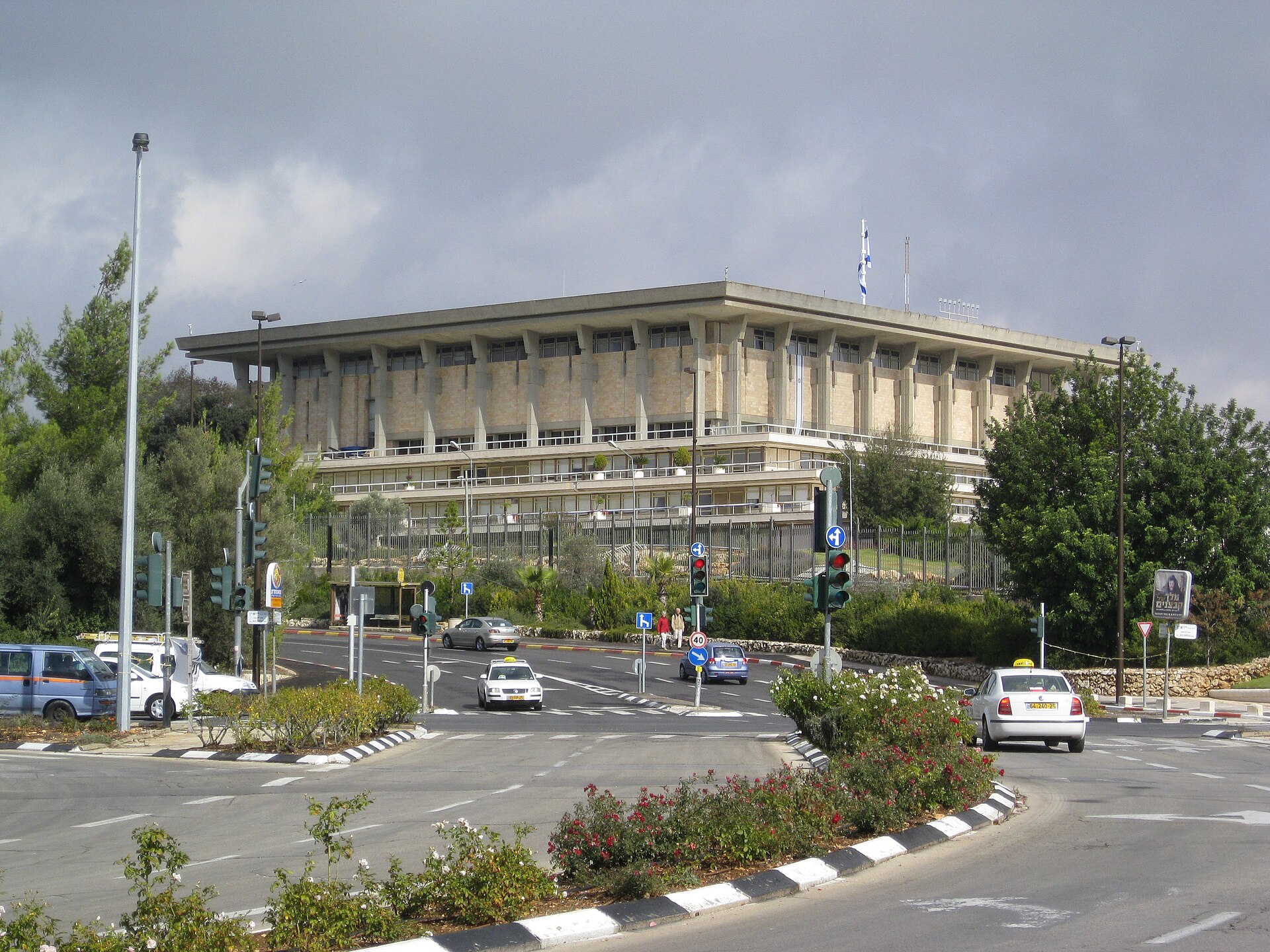
Israel voted and no one won. With almost all the votes counted on Wednesday, October 28, 2026, neither Prime Minister Benjamin Netanyahu's bloc nor the opposition, led by former army chief Gadi Eisenkot, reaches a majority.
The numbers
Governing takes 61 of the 120 seats in parliament, the Knesset. According to the nearly final results:
Netanyahu's bloc: 53 seats. Eisenkot's bloc: 48. Arab parties: 19. Governing takes 61.
Netanyahu's Likud is still the most-voted party, with 26 seats, but it is losing ground. Eisenkot's new party, Yashar, comes second with 21. Some 500,000 special ballots, from soldiers and diplomats, are still to be counted and could shift a seat or two.
Both say they won
Eisenkot said "the public chose change" and called on Netanyahu to step down. Netanyahu, for his part, celebrated Likud being the largest party and urged the "Zionist majority" to unite behind him.
Likud went further: it said the election had been "stolen by Arab parties".
The Arab parties hold the key
The big surprise is the Arab Israeli parties, which nearly doubled what polls gave them and total 19 seats. Without them, neither bloc reaches 61.
Joint List leader Yousef Jabareen said he will use that strength to help remove Netanyahu. But having the numbers isn't enough: many opposition parties have never governed with Arab support, and it's not clear they would agree to.
What happens now
A long negotiation begins. Until there's a deal, Netanyahu remains at the head of a caretaker government, with powers but without taking big decisions. If no one manages to form a government, Israel could head to another election, as happened several times between 2019 and 2022.
The uncertainty is already showing: the shekel, Israel's currency, and the country's bonds fell on Wednesday. And it comes in the middle of the US and Israeli war on Iran.
More stories on video
This story is web-only. Every week on our social media we tell the stories behind brands and the news.
Do you think Netanyahu will manage to stay in power, or has the time for change come?
Tell us in the comments on our social media.
Sources (in Spanish)
- Escaños y declaraciones: Ynetnews (28 de octubre de 2026).
- Reacción de los mercados: CNBC.
- El Likud y los partidos árabes: Bloomberg y Wikipedia, Elecciones legislativas de Israel de 2026.
Photos are from Wikimedia Commons under free licenses; the author and license are shown under each image.