Colombia's JEP charges Pablo Catatumbo and eight other former FARC commanders with war crimes
It is the first major indictment in Case 10 and focuses on 94 guerrilla raids and attacks in Huila, Tolima and Quindío. The nine have 20 business days to say whether they acknowledge the facts.
Translated from the original Spanish article. Read in Spanish
News published on October 29, 2026. The situation may have changed since then.
The Special Jurisdiction for Peace (JEP), the court created after Colombia's peace agreement, charged nine former members of the FARC with war crimes and crimes against humanity on October 29, 2026.
Who they are
All of them belonged to the former Central Joint Command, which operated in Huila, Tolima and Quindío. The best-known name is Pablo Catatumbo, who after the peace deal became a member of Congress for the Comunes party.
They are accused of killings, massacres, forced disappearances, displacements, takeovers of towns and attacks on civilians and on police officers who were no longer in combat.
The Central Joint Command carried out 94 armed raids between 1991 and 2016: it was the FARC unit with the most town takeovers and attacks on police stations.
The victims
The JEP has recognized more than 967 victims. More than half, 54%, are farmers.
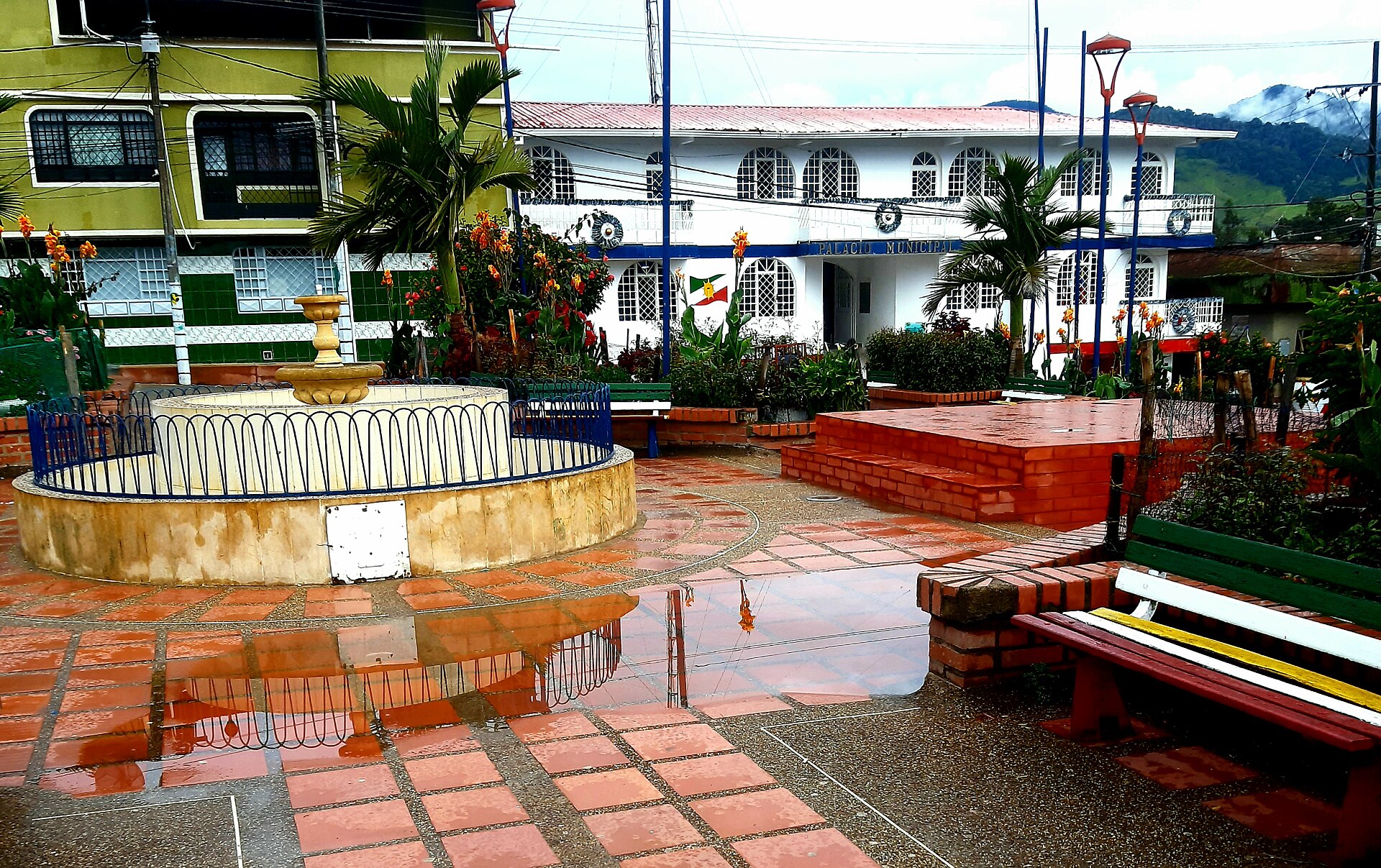
Among the events, two stand out: the takeover of Roncesvalles in July 2000, which destroyed more than 30 buildings and forced about 800 people to flee; and the offensive against Puerto Saldaña that same year, with more than 3,600 displaced and at least 27 civilians killed.
What Case 10 is
It is the JEP file that investigates FARC crimes that cannot be amnestied and that were not covered by other cases. According to judge Marcela Giraldo, this is the first time these nine have answered for these acts.
What happens now
They have 20 business days to say whether they acknowledge the facts and 30 business days to submit observations. They must also provide information to find 30 missing people.
- If they acknowledge: there will be a hearing with the victims and restorative sanctions, without prison but with restrictions on their freedom. - If they do not: they will go to trial and could face up to 20 years in prison.
More stories on video
This story is web-only. Every week on our social media we tell the stories behind brands and the news.
Do you think the JEP's non-prison sentences are fair to the victims, or should they go to prison?
Tell us in the comments on our social media.
Sources (in Spanish)
- Imputados, crímenes, cifras de víctimas, tomas de Roncesvalles y Puerto Saldaña, plazos y posibles penas: El Heraldo (29 de octubre de 2026).
- Plazo de 20 días hábiles y crímenes no amnistiables: Radio Santa Fe (29 de octubre de 2026).
Photos are from Wikimedia Commons under free licenses; the author and license are shown under each image.