Home › News › Opium in Afghanistan
News · WorldAfghanistan grows opium again: production rises fivefold despite the Taliban ban
According to the UN, poppy fields grew from 10,200 to 43,300 hectares in a year. Farmers hide the plants among wheat or behind walls. Even so, it is still far below the levels before 2022.
Translated from the original Spanish article. Read in Spanish
News published on October 29, 2026. The situation may have changed since then.
The United Nations Office on Drugs and Crime (UNODC) published its yearly report on opium in Afghanistan on Thursday, October 29, 2026. And it brings a surprise: the first big rise since the Taliban banned it in 2022.
The figures
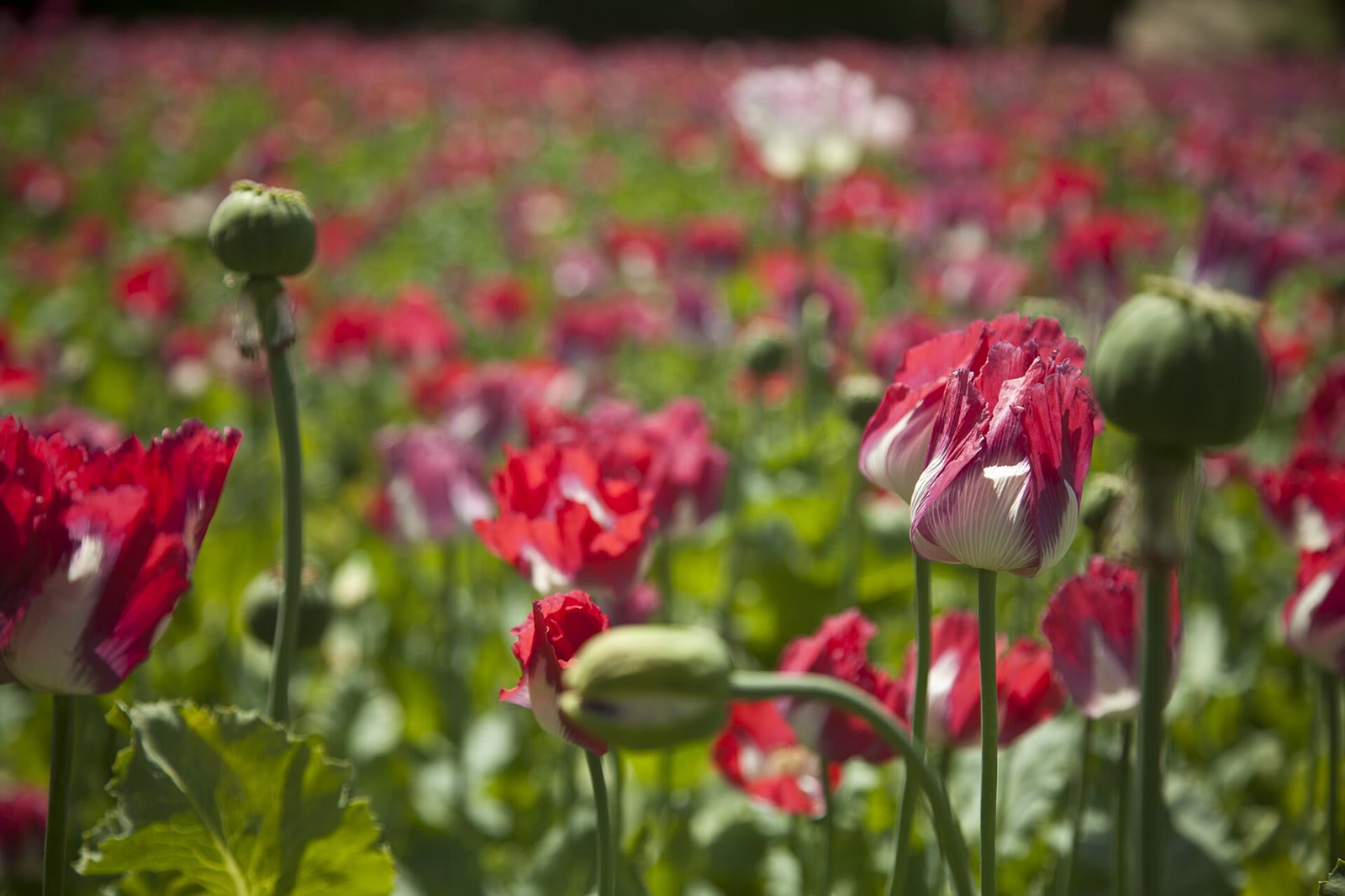
Fields of poppy, the plant opium comes from, grew from about 10,200 hectares in 2025 to about 43,300 this year.
Opium production rose fivefold: from about 296 tons to about 1,466.
Heroin is made from opium. Before the ban, Afghanistan produced the vast majority of the world's opium.
Why it went up
There are more fields, and each hectare also yields more because it rained more and there was more water. The crop now appears in 16 of the 34 provinces, especially in the northeast, which accounts for three-quarters.
How they get around the ban
The Taliban say they destroyed more than 22,000 hectares. But according to the UN, many farmers hide the poppies among cereal fields or behind walls so they can't be seen.
Still far from before
Even so, the figure is far below what existed before the ban, when about 232,000 hectares were planted.
A kilo of opium sells for about 500 dollars, a bit less than last year but far above pre-2022 levels. The UN warns that these high prices could encourage farmers to plant more.
More stories on video
This story is web-only. Every week on our social media we tell the stories behind brands and the news.
Do you think banning a crop works if people have no other way to make a living?
Tell us in the comments on our social media.
Sources (in Spanish)
- Informe de la UNODC: Noticias ONU (29 de octubre de 2026).
- Hectáreas, provincias y precios: Amu TV y Khaama Press.
- Destrucción de campos y cultivos escondidos: AFP vía Yahoo.
Photos are from Wikimedia Commons under free licenses; the author and license are shown under each image.